
Blog

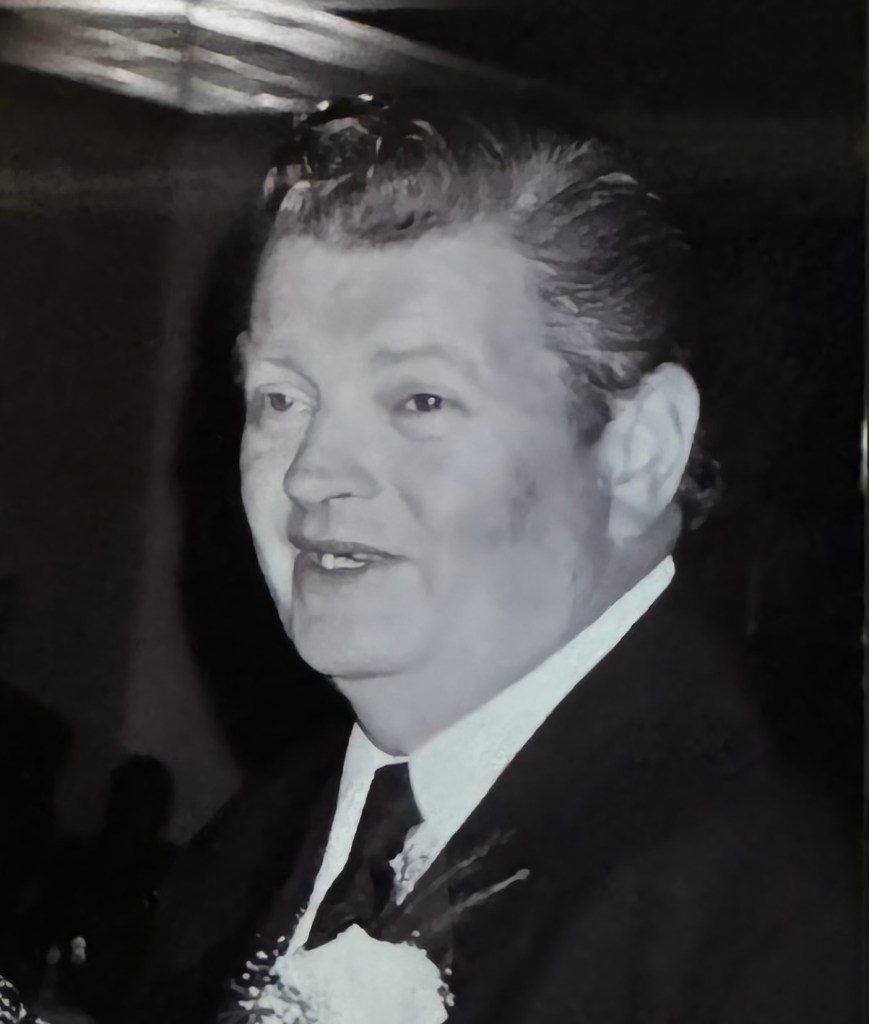
For My Dad on Father’s Day

Not easy to be present but not being alone helps. There is only peace and stillness and beyond that a mystery. We watch each and every breath and wait … Surround him in love and remember to breathe ourselves.

My Father was diagnosed with both colon and liver cancer two years after my Mother was gone.  Once again, I was part of a team of siblings and extended family that supported him and took care of him. Once again, I was counted on being a primary caregiver as I was familiar with the healthcare system.  In addition to taking care of our Father, we also had to take care of our youngest brother.  Sean has Down Syndrome.  He was living with my Dad through my Mom’s hospitalizations and we were able to just be there for her.  Now, we had to be there for Dad and Sean as well.  

Being present for my Father was very different than being present for my Mother.  My Mother needed that heart connection.  She needed us to pay attention and listen to her and understand her.  My Father needed us to be there physically.  I would go to the hospital and bring him newspapers and sit and watch TV with him.  When my Mother was in a nursing home for rehab, she joined in activities and made friends.  My Father was in a rehab for short time and refused to join in anything.  He just wanted to be home so he could sit in his chair, eat what he wanted and watch his own TV.  

In the end, he insisted on going back to his apartment instead of a rehab after the hospital, against medical advice. He wanted to be home to celebrate the holidays with his children and grandchildren and he did just that.  He was home alone when he had a massive stroke two days after Christmas.  My brother Roger found him when he went to the apartment because he could not get Dad on the phone.  My sister and I joined our brother in the ER and stayed with him until he was admitted.  My Father never recovered from that stroke and died two weeks later.  

It was after his stroke that being present with my Father took on a whole new meaning.  He had been highly agitated from the time my brother found him. He could not move his left arm or leg and couldn’t talk.  He was moaning and looking around wildly.  The ER staff were talking about him in front of him.  

When they took him in for a CT scan, nobody spoke directly to him and explained what was happening.  He was rigid and his right arm was up in the air, his hand in a fist.  I insisted on going in with him for the test.  I put my hand in his and talked to him and slowly he lowered his arm and looked me in the eyes.  His breathing began to slow down and I could see him relaxing, though still terrified.  He understood me when I explained what they were doing for him.  He relaxed his arms and allowed them to take the test.

It was only through being present for him that my siblings and I could make the tough decisions that are left for families when there is no living will or advanced directives.  We were told that he had a massive stroke that he would likely not recover from and within the first days, we were being faced with the question of whether or not to give him a feeding tube which might prolong his life for a short time.  

My family and I were all witness to moments when my Father was fully present and aware.  He smiled when my youngest brother visited, and held his hand out for him.  When my sister, a nun, arrived from her community in Kentucky and walked into his room for the first time, Dad started to cry.  We made the same arrangement with him that we did with my Mom and did not leave him alone while he was in the hospital.  His siblings visited and those able, participated in the round the clock companionship.  He seemed to recognize each of them.  

While he had moments of awareness, he also had periods of agitation and attempts to get out of bed.  It seemed to me that he was furious that he could not make himself understood and could not do what he wanted.  Those were the times that I could not calm him down by just being present with him.   He slept a lot and we stayed with him and put his favorite TV shows on when he was awake.  We came to understand his different expressions.  We were able to recognize when his agitation may have been from his being uncomfortable or in pain from his wounds and not fear or anger.   

We each had moments with him that were meaningful.  There was one morning that I was alone in the room with him watching TV.  I became aware that he was awake and found him just staring at me. He lifted his arm towards me, I held his hand, looked in his eyes and said nothing.  That lasted less than a minute.  I just remained present with him until he closed his eyes.  My Father was not an overly expressive man and this was a very profound experience for me.  I would have missed it completely if I was not being fully present with him.  I know, this was his way of telling me he loved me.

Even as my Father became more unresponsive and less awake, my siblings and I insisted on acting as though he could hear and understand everything we said in front of him.  We did not talk about him, we talked to him or we talked to each other about childhood memories and we laughed and told stories, including him in the telling. 

I have seen so many families in my role as healthcare worker just fall apart or never come together for each other or the resident.  I know how truly blessed I was to have had my siblings as partners through our parent’s illnesses.   We were a unified front, working together and supporting each other along the way.  At some point in our lives, we made a promise to not let any disagreement or conflict between us tear us apart.  I am very aware what a gift this is. 
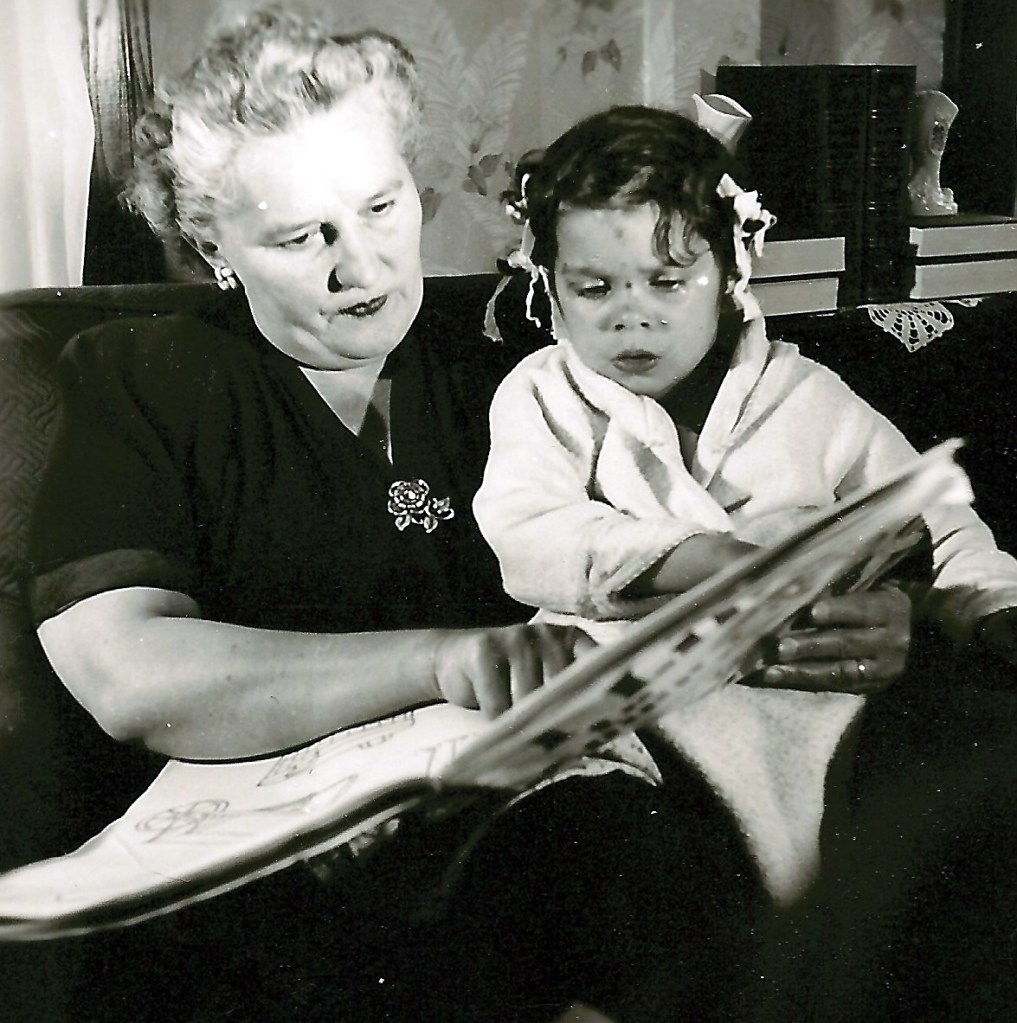
In Memory of My Mother

My Mother with her Grandmother.

Kathleen Quinlan
March 17, 1944 – May 16, 2008

“There are days I drop words of comfort on myself like falling leaves and remember that it is enough to be taken care of by my self.”
– Brian Andreas

Being present has been a challenging journey in my personal life as a caregiver. There is a difference between taking care of a resident as a healthcare professional and taking care of a loved one. I had been so present with my Mother through the end of her life, that I spent a period of time not being present in my personal life after she passed. I escaped into TV and novels and withdrew from friends. I still connected with my residents at work and used the skills I learned, but I found that I needed more quiet time alone than before. For me though, being present is a spiritual journey and my personal spiritual practice. It was not something I could turn off or turn away from for too long.

It was August 2000 when my Mother was first diagnosed with ovarian cancer. I am the third of six children so between my Father, myself and my siblings, my Mother had good support. Both my Mother and Father were one of six children, so there was plenty of extended family support as well. In the spring of 2006, I became actively involved in her care. She was about to go though yet another round of chemo and was depressed that the cancer kept coming back. Her first grandchildren were born in 2000 and the realization that she may not win this fight and see them grow up was taking a toll on her. I offered to help do laundry and grocery shopping for and with her and started taking her to doctor’s appointments. It was here that I became a family member and not a healthcare worker. Helping my Mother through this time became a priority in my life.

In the early days, being present in the way that my Mom most needed me to be, meant not allowing my own fears and grief show when I was with her. It meant not allowing myself to express my impatience and frustration when it took her almost an hour to put the shopping list together. Or when she actually came shopping with me and it would take several hours to go through the store. No matter how difficult this time was, I was clear that it was important to be present with her. To give her as much of my attention as I could for as long as could, because I knew our time together was limited. Being present was the one thing that I could do for her. I could not make her healthy. I could not give her pain relief. I could only be with her in whatever way she needed me to be.

Having a way to take care of myself was the only way I was able to be there for my Mother. I was able to call my brother or sisters and cry, or be frustrated or angry. I was able to make sure I had time out to myself to walk, or read, or sleep in. I had an outlet with my music and my photography. I started eating lunch at work in my office instead of the staff dining room. It was easier to read a book while I ate and turn my brain off, instead of socializing and talking.

The most powerful example of the importance of Being Present in healthcare was watching how doctors spoke to my Mother. Instead of speaking directly to her, if I was in the room, they would talk to me about my Mom, right in front of her. The first couple of times this happened, I was astounded. My reaction would be to look at my Mom and ignore the doctors, forcing them to speak to her. I could see her reaction to this every time it happened. After the visit, she said that the doctor made her feel like she was not even there. Being in healthcare and understanding person centered care gave me an insight into her experience. When I was able to shift the attention back to her it always felt like I won a war.

Being present with my Mother through her illness meant really listening. She wanted my full attention. When she spoke about how she was feeling or her fears, I needed to put aside any feelings and fears that I had, and just be with her, fully present to bear witness to what she was going through. How I felt about my Mother being sick, did not matter in that moment. And, if she did not want to talk about how she felt, that had to be OK as well.

Close to the end, Mom would have times when she was very confused or loopy, as we called it, from pain medication. During one hospital stay, she was convinced that the intercom was someone talking to her and carried on a conversation with it in front of us. However, she became very upset anytime we did not take her seriously or if we laughed when we thought her behavior was funny. It was real to her.

In the spring of 2008, my Mother asked for all treatments to stop and went on hospice. I was the one the hospital called that Sunday morning and the first one to be at her side. She made me promise that she would not be alone from that moment forward. By that evening, my family had gathered and made a schedule to be with her around the clock. Three weeks later she passed peacefully surrounded by her family.

Taking care of yourself is so important when you are a caregiver or in a caregiving profession. I learned long ago that I am an introvert and I get recharged with alone time. Down time. It takes energy for me to be around others. Despite the fact that I have made a career out of interacting, talking in groups and performing, I gain energy when I am able to be quiet and be by myself. Learning how you recharge your energy is key to having enough to give when you are called on to be present for another. It is very important to have a good understanding of yourself and know how to become calm and centered, as well as how to maintain that calm. There is no one right way, only what works best for you.


Learning From Mistakes

“Let’s take some time to think of people who have sung you into singing, smiled you into smiling, loved you into loving.”

Mister Rogers

Being present is a term you hear a lot today in spiritual texts and writings. The practice of living life fully present is a lifetime journey. One can have the realization of being present, and in the next moment find themselves thinking about the past or future and not be present anymore. In my understanding, it is like a muscle that needs to be exercised to be relied on. A practice that can become a habit so that in times of great stress and crisis, it is an automatic response. Peace, awareness, presence and then response. Churches, spiritual centers and religious practices teach being present through meditation and Mindfulness. One of my favorite books on this topic is Ekhart Tolle’s The Power of Now.

The kind of presence that I have found to be effective in working with people who have dementia is an intentional act, not a state of mind. It is an approach and a technique that can be taught. When I am successfully present with a person who has dementia or someone who is in the end stages of life, I feel a connection with them.

I was 20 years old in 1989 when I first started working with seniors. I answered an ad looking for “an enthusiastic, outgoing individual with art and music background to work with the elderly.” And so, I became an Activities Assistant in a skilled nursing facility. Sad to say, back then I did not get much training on my first days in the position. This experience helped make me passionate about the need for continuing education and on the job training.

I do not remember how long I had been working there but I know it was not the first time I was working with Sam that I truly saw him for the first time. Sam had expressive aphasia and hemiparesis. He could not express himself verbally and he was in a wheelchair. In activities with Sam, the only response I had ever gotten from him was eye contact. I did not really know that he understood everything that was going on around him until one day, he and I were alone in the care center living room. Something about how he was listening to me made me aware that he understood me. It was as if a light went on in a dark room and I spoke to him, fully present to him for the first time. I asked a yes or no question and asked him to blink two times if the answer was yes. His eyes were filled with tears when he realized that I understood him. I saw him.

I was profoundly touched and saddened by this experience. I did not feel proud of my accomplishment, instead what I felt was the weight of knowing that I had not truly seen him until then. This changed the way I spoke to other residents from that point on. I looked at them and spoke to them as though they understood every word and gesture, even if they could not engage in a conversation. I decided that even if they could not understand me, I would speak to them with the respect and honor an elder deserved. I also became passionate about teaching this to others and advocating for my seniors when I saw that they were being treated in a way that I believed was not recognizing their individual personhood.

Being present with my residents each and every day takes energy and an investment of time. I have found that the more I work at building a connection with a resident, the easier it is to assist them when they are not having a good day. I have also learned that I need to approach each person in the way that works best for them. Not every approach works for every person. The key is learning who they are, what motivates them and paying attention to their responses. When I make a mistake, I learn from from it and adjust my approach for next time.

Links/Resources:
I have had the honor of learning from some truly amazing and inspiring teachers in my career. Here are just a few links. The Pioneer Network http://www.pioneernetwork.net is a wonderful resource to learn about person centered care and other culture change initiatives. Naomi Feil https://vfvalidation.org with the Validation technique and Teepa Snow https://teepasnow.com with her Positive Approach to Care are two educators who have inspired me and who are revolutionizing eldercare.

The Journey Begins

Thanks for joining me!

I’ve learned that people will forget what you said, people will forget what you did, but people will never forget how you made them feel. — Maya Angelou

What does it mean to be present? Giving someone or something your full attention, without distraction. In that moment, the moment is all you have and all that matters. What your or someone else is going to say or do next is not important. What you or someone else said or did a few minutes ago is not important. Your focus is on this moment now and that is all that matters. We have all experienced moments of being fully present, completely focused. It may have been for a minute or for hours. It may happen once in a while or on a regular basis. This skill is important in many professions and sports. A mountain climber is not thinking about a conversation from the night before while looking for the next hand hold. A surgeon is not thinking about tomorrow’s patient in the middle of today’s procedure. As a singer, I have been on stage, in a song so completely that I forget where I am.

Most of us can tell right away when someone is not present. They may be going through the motions of paying attention, but you can see them thinking about what they are going to say next while appearing to listen to you. The most obvious lack of presence is when someone who is providing a service to you is talking to someone else. My expectation of connection from a service provider, beyond what is just good customer service, varies depending on the service. I don’t really mind if a supermarket checkout person is not fully present with me, as long as they are paying attention and still doing their job. However, if I have a problem and go to customer service; I expect them to really listen to me. I have an even higher expectation from a healthcare provider. I expect eye contact. I expect them to listen to my questions and be patient if I ask for clarification.

In caregiving, being present means giving your full attention to the person for whom you are providing care. It is the first step in connecting with a person and building a caring relationship. Many who are called to this kind of work, do this naturally. For others, it is a skill that can be learned and developed. The first step is in becoming aware of the difference between being present and not just being in someone’s presence.

I have learned the importance of being present as an effective approach to caregiving in my 30 years working in healthcare. In this Blog, I will share stories of using the approach of Being Present, from both my personal and professional experiences with caregiving. My intention is to share insights, successes and failures to help others become more successful in the very difficult job of caregiving, whether you are caring for a loved one or you have chosen caregiving as a profession.

Thank you for joining me on this journey.

Barbara