
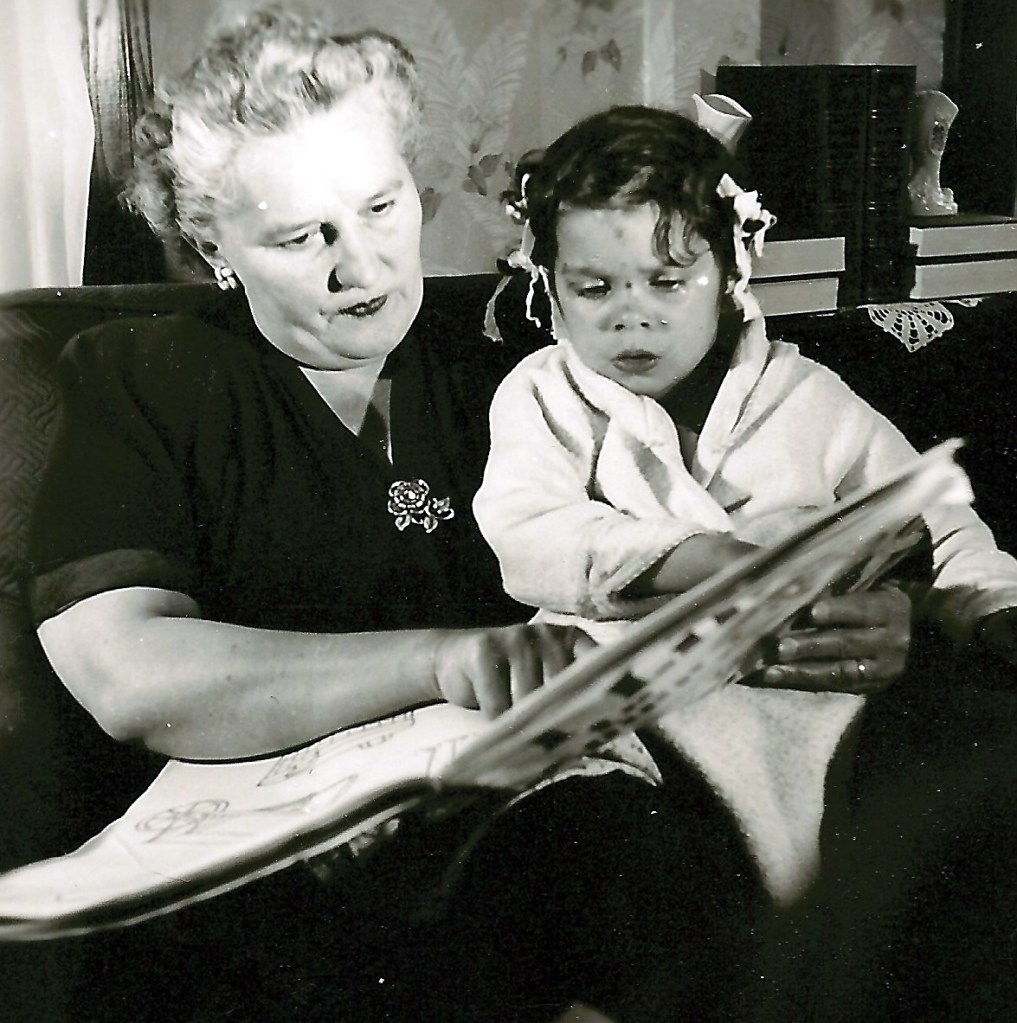
Kathleen Quinlan
March 17, 1944 – May 16, 2008
“There are days I drop words of comfort on myself like falling leaves and remember that it is enough to be taken care of by my self.”
– Brian Andreas
Being present has been a challenging journey in my personal life as a caregiver. There is a difference between taking care of a resident as a healthcare professional and taking care of a loved one. I had been so present with my Mother through the end of her life, that I spent a period of time not being present in my personal life after she passed. I escaped into TV and novels and withdrew from friends. I still connected with my residents at work and used the skills I learned, but I found that I needed more quiet time alone than before. For me though, being present is a spiritual journey and my personal spiritual practice. It was not something I could turn off or turn away from for too long.
It was August 2000 when my Mother was first diagnosed with ovarian cancer. I am the third of six children so between my Father, myself and my siblings, my Mother had good support. Both my Mother and Father were one of six children, so there was plenty of extended family support as well. In the spring of 2006, I became actively involved in her care. She was about to go though yet another round of chemo and was depressed that the cancer kept coming back. Her first grandchildren were born in 2000 and the realization that she may not win this fight and see them grow up was taking a toll on her. I offered to help do laundry and grocery shopping for and with her and started taking her to doctor’s appointments. It was here that I became a family member and not a healthcare worker. Helping my Mother through this time became a priority in my life.
In the early days, being present in the way that my Mom most needed me to be, meant not allowing my own fears and grief show when I was with her. It meant not allowing myself to express my impatience and frustration when it took her almost an hour to put the shopping list together. Or when she actually came shopping with me and it would take several hours to go through the store. No matter how difficult this time was, I was clear that it was important to be present with her. To give her as much of my attention as I could for as long as could, because I knew our time together was limited. Being present was the one thing that I could do for her. I could not make her healthy. I could not give her pain relief. I could only be with her in whatever way she needed me to be.
Having a way to take care of myself was the only way I was able to be there for my Mother. I was able to call my brother or sisters and cry, or be frustrated or angry. I was able to make sure I had time out to myself to walk, or read, or sleep in. I had an outlet with my music and my photography. I started eating lunch at work in my office instead of the staff dining room. It was easier to read a book while I ate and turn my brain off, instead of socializing and talking.
The most powerful example of the importance of Being Present in healthcare was watching how doctors spoke to my Mother. Instead of speaking directly to her, if I was in the room, they would talk to me about my Mom, right in front of her. The first couple of times this happened, I was astounded. My reaction would be to look at my Mom and ignore the doctors, forcing them to speak to her. I could see her reaction to this every time it happened. After the visit, she said that the doctor made her feel like she was not even there. Being in healthcare and understanding person centered care gave me an insight into her experience. When I was able to shift the attention back to her it always felt like I won a war.
Being present with my Mother through her illness meant really listening. She wanted my full attention. When she spoke about how she was feeling or her fears, I needed to put aside any feelings and fears that I had, and just be with her, fully present to bear witness to what she was going through. How I felt about my Mother being sick, did not matter in that moment. And, if she did not want to talk about how she felt, that had to be OK as well.
Close to the end, Mom would have times when she was very confused or loopy, as we called it, from pain medication. During one hospital stay, she was convinced that the intercom was someone talking to her and carried on a conversation with it in front of us. However, she became very upset anytime we did not take her seriously or if we laughed when we thought her behavior was funny. It was real to her.
In the spring of 2008, my Mother asked for all treatments to stop and went on hospice. I was the one the hospital called that Sunday morning and the first one to be at her side. She made me promise that she would not be alone from that moment forward. By that evening, my family had gathered and made a schedule to be with her around the clock. Three weeks later she passed peacefully surrounded by her family.
Taking care of yourself is so important when you are a caregiver or in a caregiving profession. I learned long ago that I am an introvert and I get recharged with alone time. Down time. It takes energy for me to be around others. Despite the fact that I have made a career out of interacting, talking in groups and performing, I gain energy when I am able to be quiet and be by myself. Learning how you recharge your energy is key to having enough to give when you are called on to be present for another. It is very important to have a good understanding of yourself and know how to become calm and centered, as well as how to maintain that calm. There is no one right way, only what works best for you.
 The Gift of Your Presence