


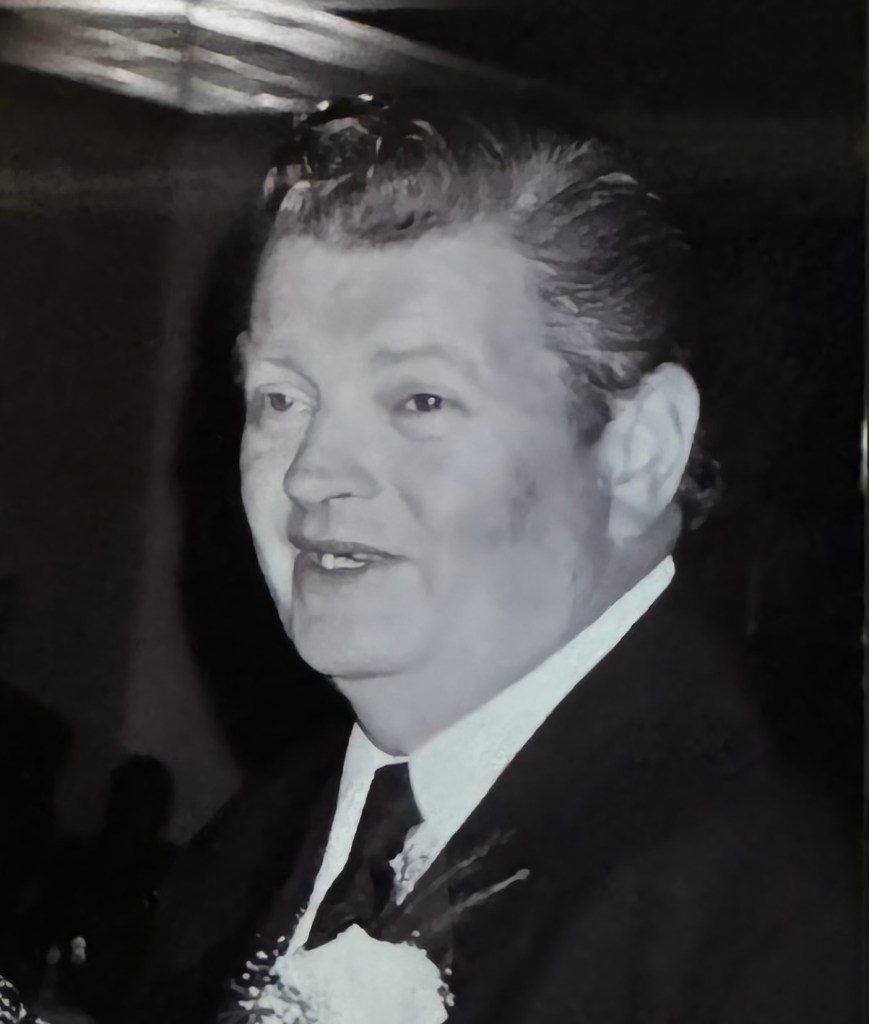
Not easy to be present but not being alone helps. There is only peace and stillness and beyond that a mystery. We watch each and every breath and wait … Surround him in love and remember to breathe ourselves.
My Father was diagnosed with both colon and liver cancer two years after my Mother was gone. Once again, I was part of a team of siblings and extended family that supported him and took care of him. Once again, I was counted on being a primary caregiver as I was familiar with the healthcare system. In addition to taking care of our Father, we also had to take care of our youngest brother. Sean has Down Syndrome. He was living with my Dad through my Mom’s hospitalizations and we were able to just be there for her. Now, we had to be there for Dad and Sean as well.
Being present for my Father was very different than being present for my Mother. My Mother needed that heart connection. She needed us to pay attention and listen to her and understand her. My Father needed us to be there physically. I would go to the hospital and bring him newspapers and sit and watch TV with him. When my Mother was in a nursing home for rehab, she joined in activities and made friends. My Father was in a rehab for short time and refused to join in anything. He just wanted to be home so he could sit in his chair, eat what he wanted and watch his own TV.
In the end, he insisted on going back to his apartment instead of a rehab after the hospital, against medical advice. He wanted to be home to celebrate the holidays with his children and grandchildren and he did just that. He was home alone when he had a massive stroke two days after Christmas. My brother Roger found him when he went to the apartment because he could not get Dad on the phone. My sister and I joined our brother in the ER and stayed with him until he was admitted. My Father never recovered from that stroke and died two weeks later.
It was after his stroke that being present with my Father took on a whole new meaning. He had been highly agitated from the time my brother found him. He could not move his left arm or leg and couldn’t talk. He was moaning and looking around wildly. The ER staff were talking about him in front of him.
When they took him in for a CT scan, nobody spoke directly to him and explained what was happening. He was rigid and his right arm was up in the air, his hand in a fist. I insisted on going in with him for the test. I put my hand in his and talked to him and slowly he lowered his arm and looked me in the eyes. His breathing began to slow down and I could see him relaxing, though still terrified. He understood me when I explained what they were doing for him. He relaxed his arms and allowed them to take the test.
It was only through being present for him that my siblings and I could make the tough decisions that are left for families when there is no living will or advanced directives. We were told that he had a massive stroke that he would likely not recover from and within the first days, we were being faced with the question of whether or not to give him a feeding tube which might prolong his life for a short time.
My family and I were all witness to moments when my Father was fully present and aware. He smiled when my youngest brother visited, and held his hand out for him. When my sister, a nun, arrived from her community in Kentucky and walked into his room for the first time, Dad started to cry. We made the same arrangement with him that we did with my Mom and did not leave him alone while he was in the hospital. His siblings visited and those able, participated in the round the clock companionship. He seemed to recognize each of them.
While he had moments of awareness, he also had periods of agitation and attempts to get out of bed. It seemed to me that he was furious that he could not make himself understood and could not do what he wanted. Those were the times that I could not calm him down by just being present with him. He slept a lot and we stayed with him and put his favorite TV shows on when he was awake. We came to understand his different expressions. We were able to recognize when his agitation may have been from his being uncomfortable or in pain from his wounds and not fear or anger.
We each had moments with him that were meaningful. There was one morning that I was alone in the room with him watching TV. I became aware that he was awake and found him just staring at me. He lifted his arm towards me, I held his hand, looked in his eyes and said nothing. That lasted less than a minute. I just remained present with him until he closed his eyes. My Father was not an overly expressive man and this was a very profound experience for me. I would have missed it completely if I was not being fully present with him. I know, this was his way of telling me he loved me.
Even as my Father became more unresponsive and less awake, my siblings and I insisted on acting as though he could hear and understand everything we said in front of him. We did not talk about him, we talked to him or we talked to each other about childhood memories and we laughed and told stories, including him in the telling.
I have seen so many families in my role as healthcare worker just fall apart or never come together for each other or the resident. I know how truly blessed I was to have had my siblings as partners through our parent’s illnesses. We were a unified front, working together and supporting each other along the way. At some point in our lives, we made a promise to not let any disagreement or conflict between us tear us apart. I am very aware what a gift this is.
 The Gift of Your Presence